Capitoline Museums: Tickets and Info
This website offers official tickets for this venue. Please note, however, that it is not the official website of the venue.
Smartphone tickets
Why wait?
Instant confirmation
Flexible cancellation


Museum of the Roman Empire (Capitoline Museum) + Multimedia Experience of Ancient Rome
Highlights
Gain expedited access to the Capitoline Museums without waiting in lines.
Discover exclusive temporary exhibits included in your visit.
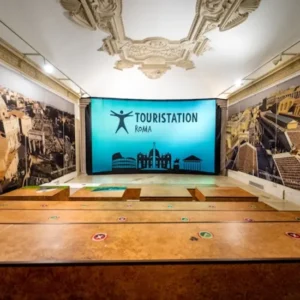
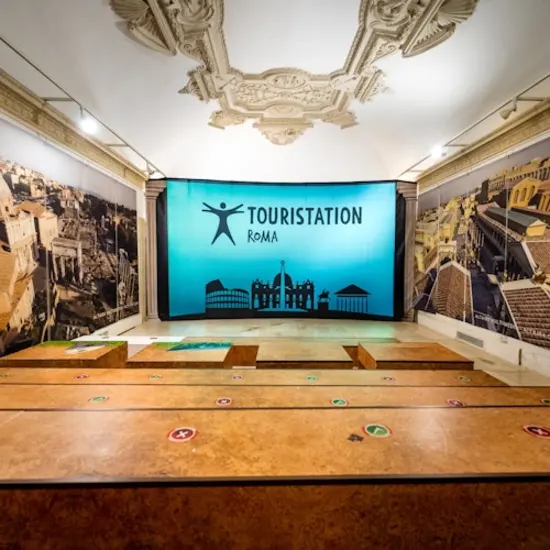
Watch a captivating multimedia presentation about Ancient Rome.
Receive assistance at the designated Touristation Aracoeli office.
Benefit from a downloadable audio guide app focused on Rome.
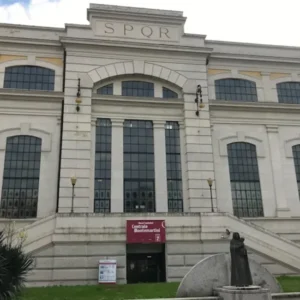
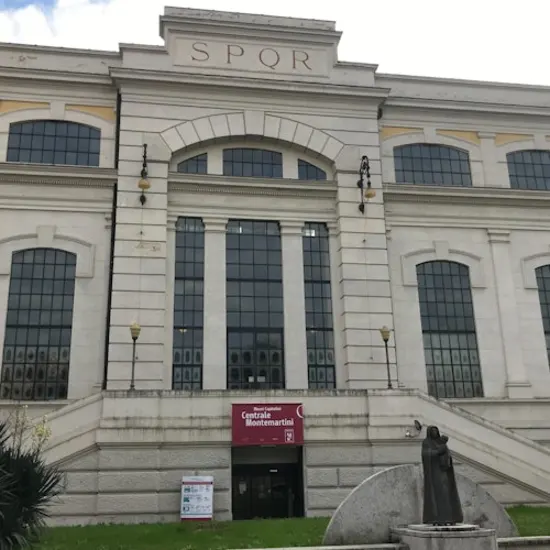
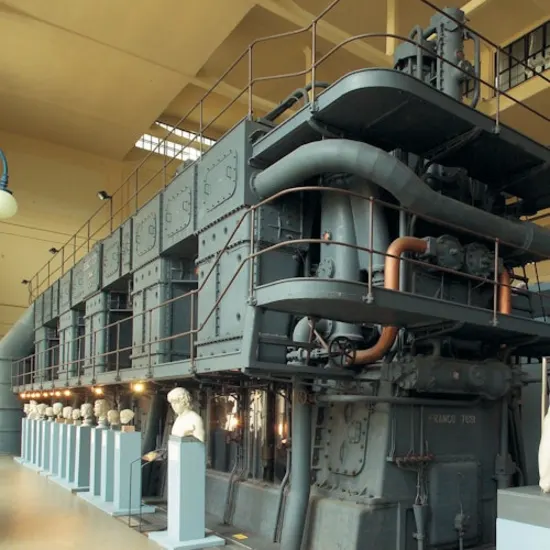
Capitoline Museums and Centrale Montemartini with multimedia video
Highlights
Avoid queues with skip-the-line access to two notable Roman sites.
Explore extensive collections of art and artifacts at your own pace.
Experience an engaging multimedia video about ancient Rome.
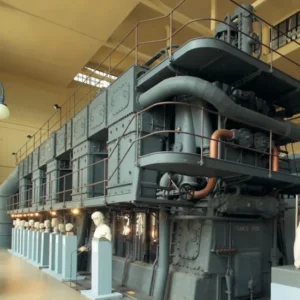
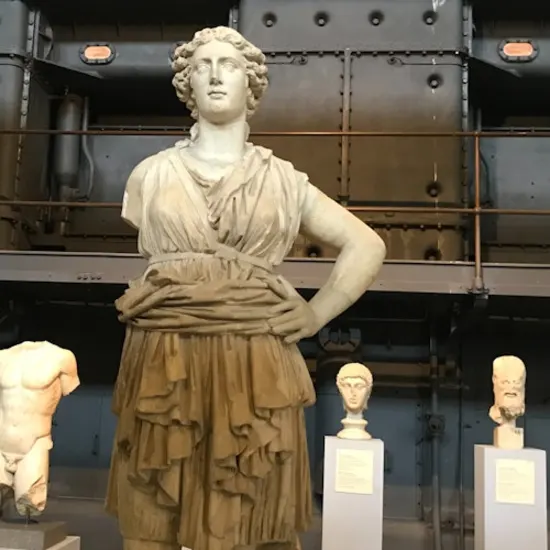
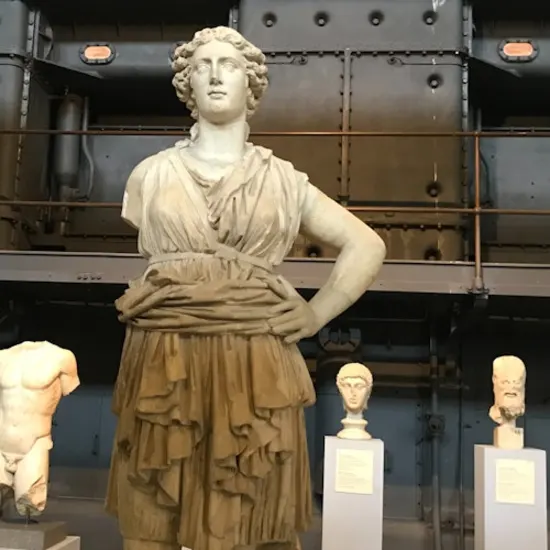
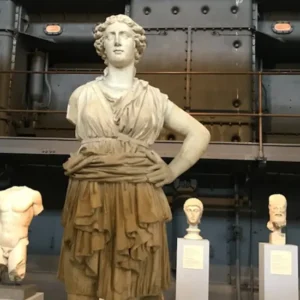
Visit the Centrale Montemartini’s display of classical sculptures within an industrial setting.
Receive customer assistance at the Touristation Aracoeli office.
Capitoline Museums
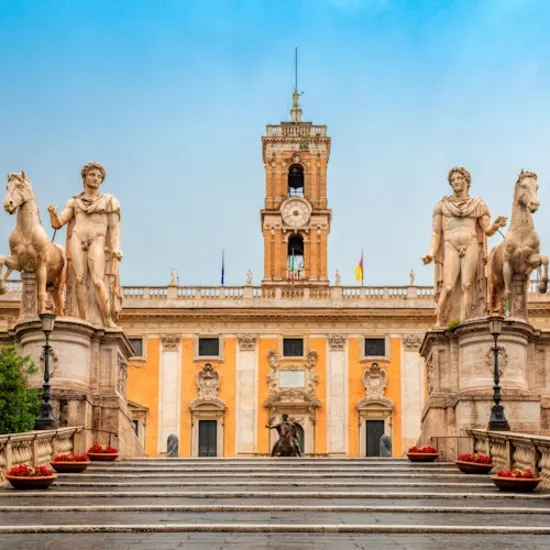
Discover the Musei Capitolini, the world’s first public museum, nestled in the heart of Rome at Piazza del Campidoglio. This renowned museum complex showcases an extraordinary collection of ancient Roman sculptures, Renaissance art, and historical treasures within its stunning palaces. Experience iconic masterpieces like the Capitoline She-wolf and the equestrian statue of Marcus Aurelius up close. Secure your tickets today to explore this cultural landmark and immerse yourself in centuries of history.
About Capitoline Museums
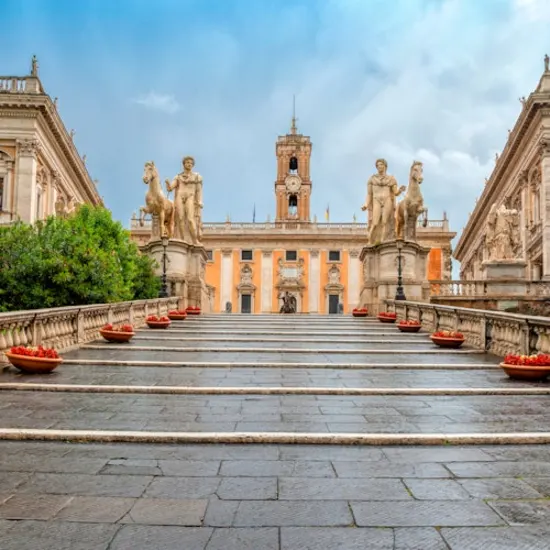
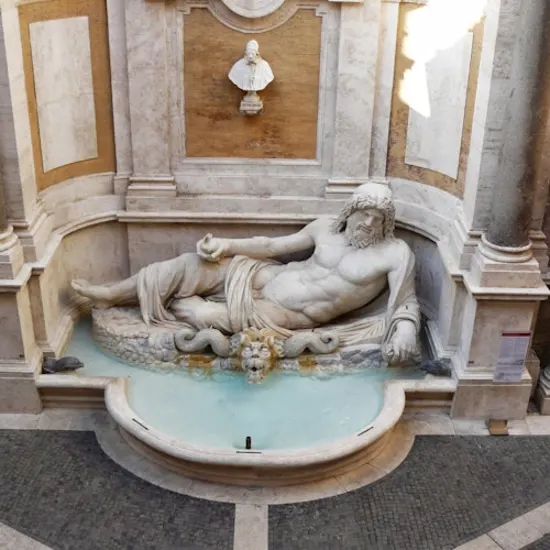
Musei Capitolini, the Capitoline Museums, represent the heart of Rome’s rich civic and artistic heritage as the city’s premier public museum complex. Established as the world’s first public museum, their origins trace back to 1471 when Pope Sixtus IV gifted a collection of significant bronze statues to the citizens of Rome. Situated on the historic Capitoline Hill, this museum complex encompasses two main buildings – Palazzo dei Conservatori and Palazzo Nuovo – flanking Piazza del Campidoglio, linked by an underground passage to ancient Roman treasures.
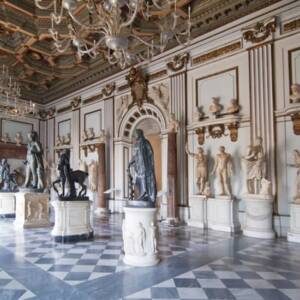
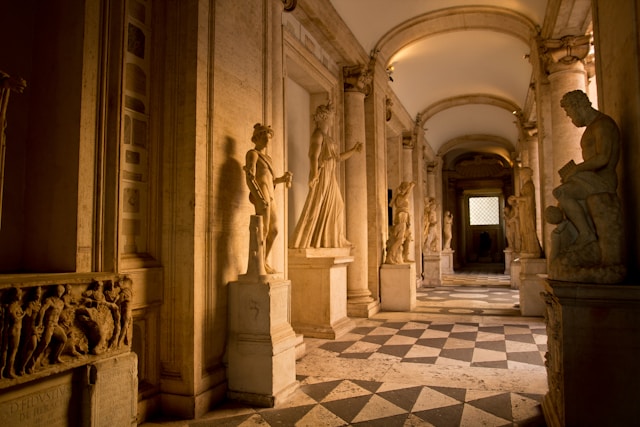
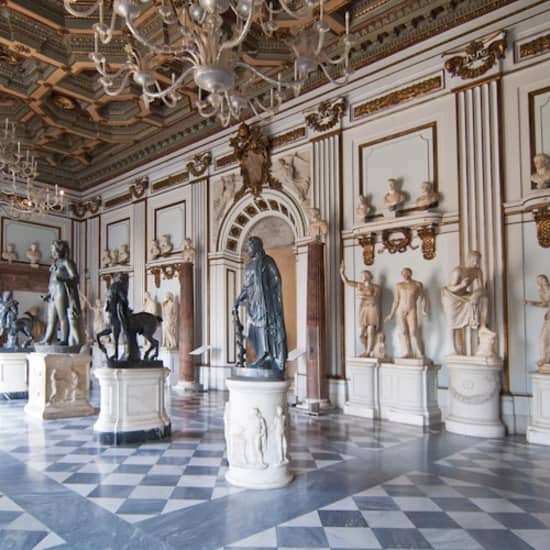
The collections span centuries, showcasing exemplary ancient Roman, medieval, Renaissance, and Baroque artworks, including iconic sculptures like the Capitoline She-wolf and the equestrian statue of Marcus Aurelius. Today, the Musei Capitolini remain a vital cultural institution, drawing visitors worldwide to explore Rome’s history through their extensive exhibitions, architectural landmarks, and immersive experiences.
Founded: Originating in 1471 with public opening in 1734 under Pope Clement XII
Annual Visitors: Approx. 500,000
Exhibition Area: 12,900 square meters
Why Visit The Capitoline Museums?
The World’s First Public Museum
Experience a landmark of cultural history, as the Capitoline Museums are widely recognized as the world’s first public museum, tracing its foundation back to 1471. This historical significance offers visitors a unique connection to the evolution of public access to art and antiquity, a tradition started by Pope Sixtus IV’s donation of bronzes to the Roman people.
Michelangelo’s Piazza del Campidoglio
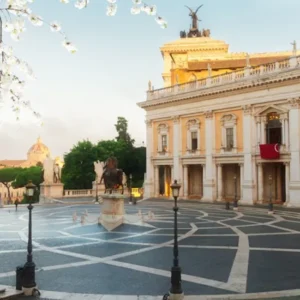
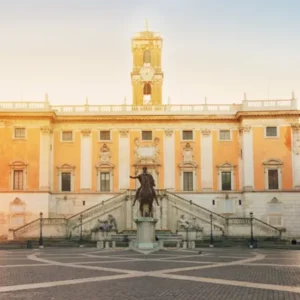
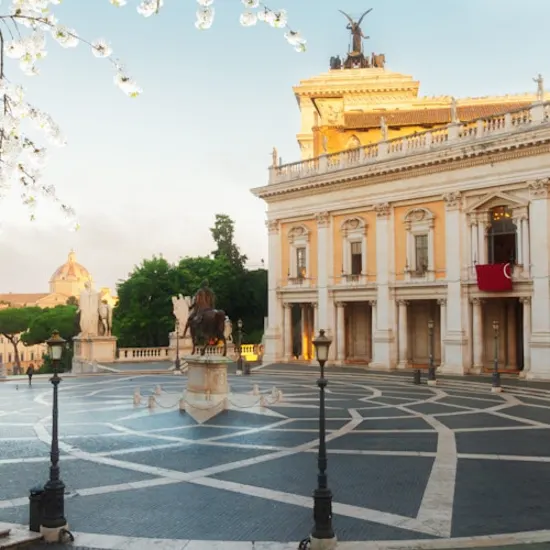
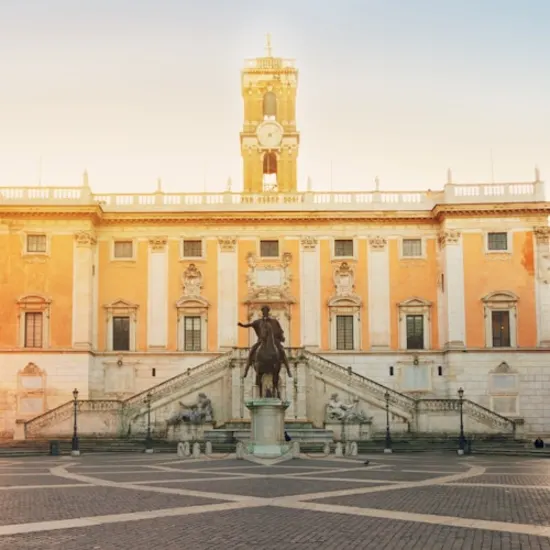
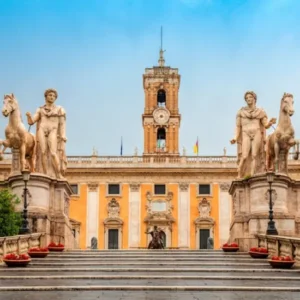
The Museums are housed in three palaces surrounding the magnificent Piazza del Campidoglio, an architectural masterpiece designed by Michelangelo Buonarroti. Viewing the iconic geometrical pavement and the harmonious facades of the Palazzo dei Conservatori and Palazzo Nuovo provides an unforgettable experience even before you enter the galleries.
The Original Equestrian Statue of Marcus Aurelius
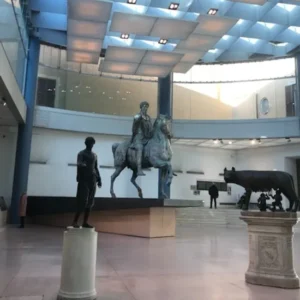
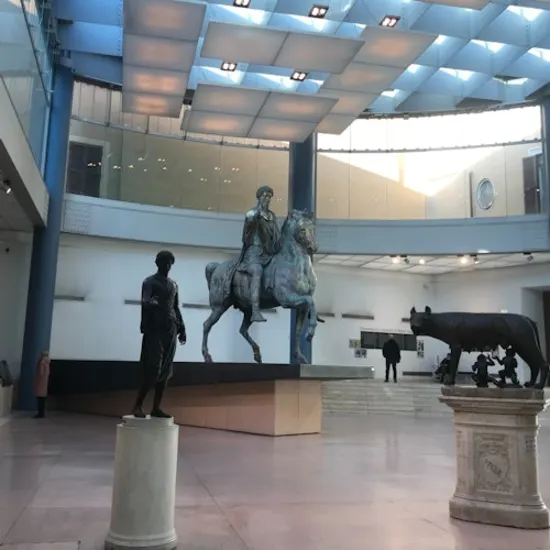
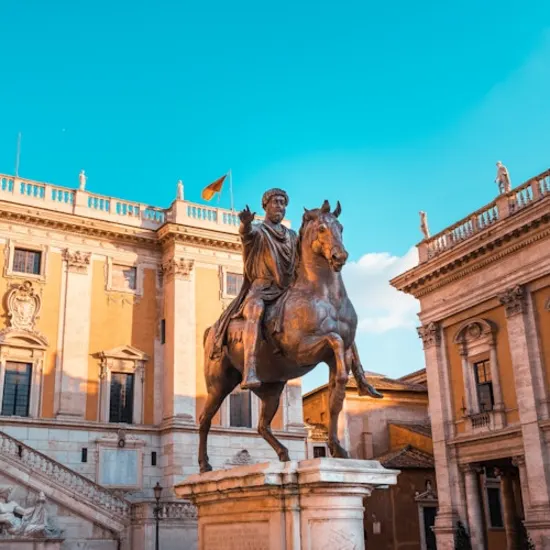
Discover the celebrated bronze statue of Emperor Marcus Aurelius, a rare surviving example of a monumental imperial equestrian sculpture. While the one in the center of the piazza is a copy, the preserved original is displayed indoors in the Palazzo dei Conservatori, allowing visitors to see its incredible detail and scale up close.
Iconic Roman Bronze Statuary
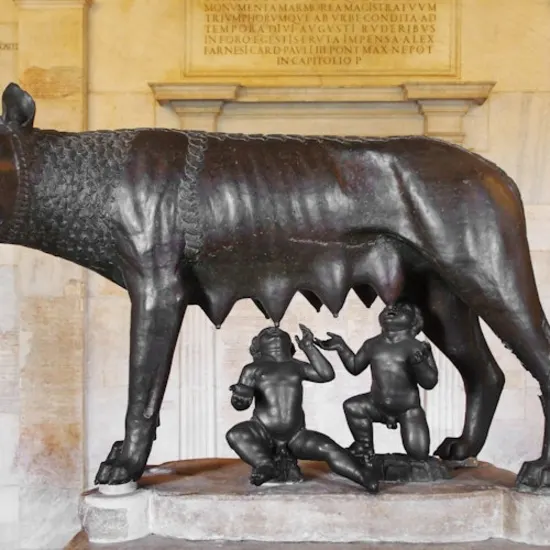
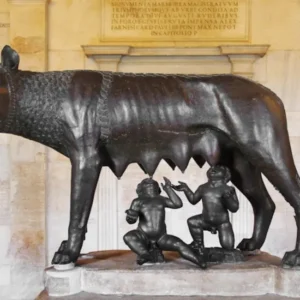
Marvel at some of the most famous symbols of Roman history and mythology, including the legendary bronze statue of the Capitoline Wolf. This collection is essential for anyone interested in the foundational myths of Rome, offering a powerful look at the skill of ancient Roman metalworkers.
Panoramic Views of the Roman Forum
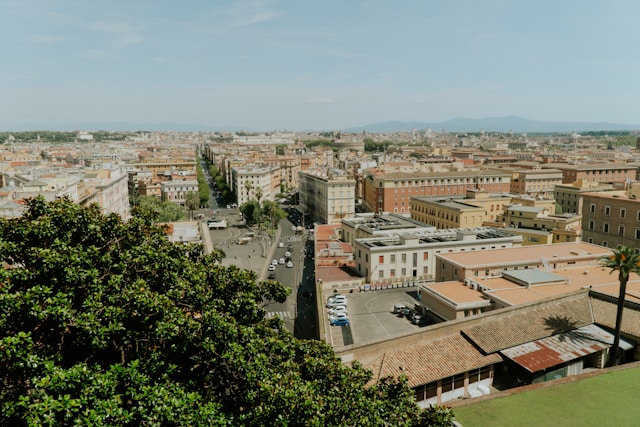
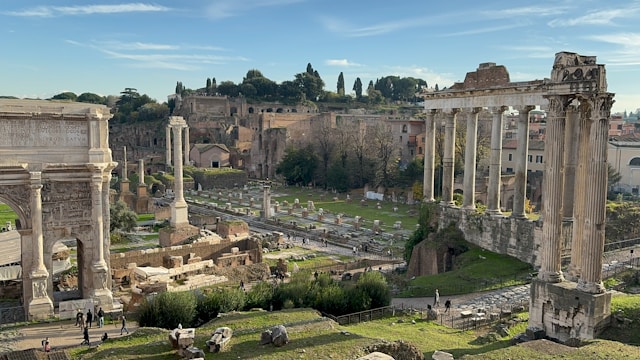
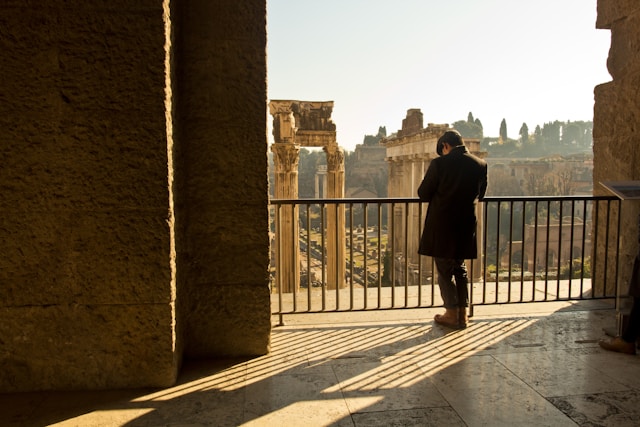
From the Tabularium, the ancient Roman record office that connects the museum palaces, visitors can enjoy a spectacular and unparalleled vista overlooking the Roman Forum and the Palatine Hill. This viewpoint perfectly contextualizes the artifacts inside the museum by showing you the ancient city they once stood in.
Timings
Standard Hours:
Open every day from 9:30 AM to 7:30 PM. Last admission is one hour prior to closing.
Closed Days:
The museums are closed only on December 25th (Christmas Day) and May 1st (Labor Day).
Reduced Hours:
On December 24th (Christmas Eve) and December 31st (New Year’s Eve), the hours are 9:30 AM to 2:00 PM.
On January 1st, the museums observe special hours, opening later from 11:00 AM to 8:00 PM.
How to Get There?
- Address
- By Public Transport
- On Foot
- By Taxi or Car
The Capitoline Museums are situated at the summit of the Capitoline Hill, one of the famous Seven Hills of Rome, in the heart of the city’s historic centre.
Official Address
Piazza del Campidoglio, 1, 00186 Roma RM, Italy
The Museums are housed in the Palazzo dei Conservatori and the Palazzo Nuovo, which flank the magnificent Piazza del Campidoglio, designed by Michelangelo.

Rome’s public transport network offers several convenient ways to reach the area surrounding the Capitoline Museums.
By Metro (Subway)
Line B (Blue Line): The closest Metro station is Colosseo on Line B.
Directions from Colosseo: From the station, the Capitoline Museums are an approximate 10 to 15-minute walk. Take the scenic route along the Via dei Fori Imperiali, which passes the Roman Forum, leading you directly to the base of the Capitoline Hill.
By Bus
The most direct public transport route is via bus, as numerous lines stop at Piazza Venezia, which is just a short, uphill walk from the Museums.
Nearest Stop: Piazza Venezia or Teatro Marcello/Ara Coeli.
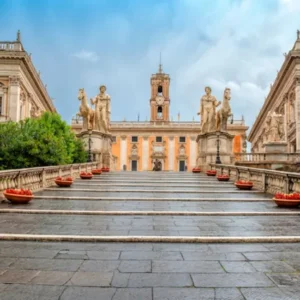
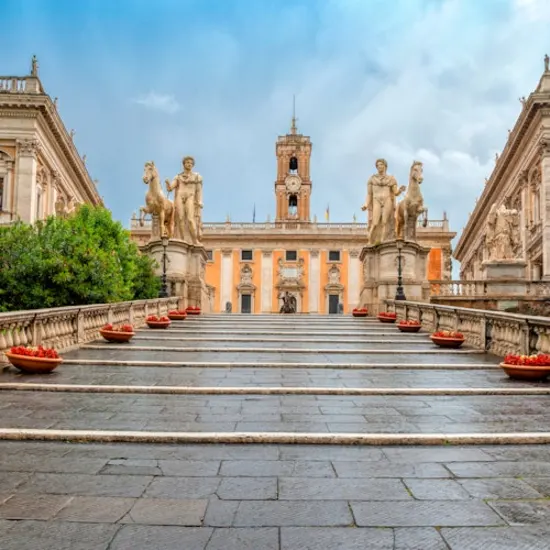
From Piazza Venezia: From the square, locate the imposing Monument to Vittorio Emanuele II (Altare della Patria), then look for the Cordonata, the grand, sloping staircase designed by Michelangelo, that leads up to Piazza del Campidoglio.
Common Bus Lines: A wide variety of bus lines serve Piazza Venezia, including: 40, 46, 60, 63, 64, 70, 81, 85, 87, 170, and H.
By Tram
Tram Line 8: The number 8 tram terminates at Piazza Venezia. From there, follow the walking directions up the Cordonata.

The Capitoline Museums are easily reachable on foot from many of Rome’s most famous landmarks:
From the Roman Forum / Colosseum: Approximately 15 minutes. Walk along the Via dei Fori Imperiali, enjoying the view of the ancient ruins before ascending the Capitoline Hill.
From Piazza Venezia: Approximately 5 minutes. Walk up the wide, easily manageable Cordonata ramp.

By Taxi/Rideshare:
Requesting a taxi or rideshare service to Piazza Venezia or directly to Piazza del Campidoglio is highly recommended for convenience.
The drop-off point will be near the base of the hill, requiring a short final walk.
Note on Driving:
Driving directly to the Capitoline Hill is highly restricted. The historical center of Rome operates as a ZTL (Limited Traffic Zone), which restricts private vehicle access during certain hours.
Tourists are strongly advised to rely on public transport or taxis to avoid fines.
Things to Know Before Visiting the Capitoline Museums
Book your tickets online in advance, especially during peak season, to guarantee entry and bypass long queues.
Photography is generally permitted for personal use, but flash photography and the use of tripods are strictly prohibited.
The collection is spread across two main buildings, the Palazzo dei Conservatori and the Palazzo Nuovo, connected by an underground tunnel.
The visit requires a significant amount of walking and standing, so wearing comfortable shoes is highly recommended.
Large bags, backpacks, and bulky umbrellas are not permitted inside the galleries and must be deposited in the complimentary cloakroom.
Plan for at least two to three hours to fully appreciate the major artworks and the architectural design of the complex.
Be sure to locate the Tabularium viewpoint for an unmissable panoramic view overlooking the Roman Forum.
The museum complex is situated on the Capitoline Hill, which requires an uphill walk via the Cordonata or the nearby access road.
Accessibility
The museums are committed to providing an inclusive experience, with routes specifically designed to accommodate visitors with mobility impairments.
Although the historical nature of the palace buildings presents unique challenges, the site is equipped with elevators, ramps, and stairlifts to connect the different floors and wings, including the Galleria Lapidaria and the Tabularium viewpoint.
Visitors with disabilities and their accompanying companions are generally granted free admission upon presentation of the required documentation.
For convenience, the museum provides a limited number of wheelchairs for loan; it is advisable to contact the museum in advance to reserve one.
Special resources like LIS (Italian Sign Language) video guides and tactile aids are available to enhance the experience for deaf or visually impaired guests.
Additional Info
- Facilities
- Souvenir Stores
- Dining
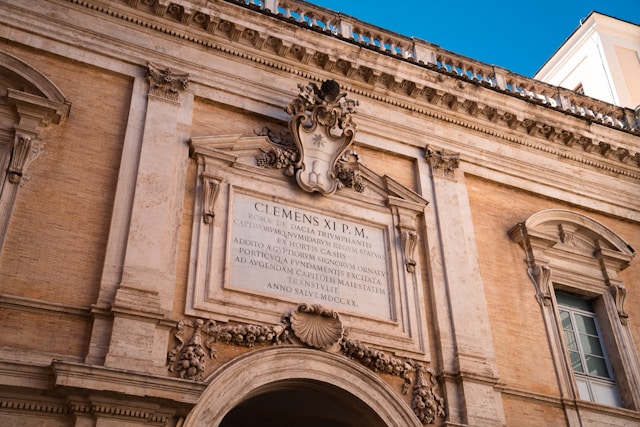
The Capitoline Museums offer essential services to enhance the comfort and convenience of your visit. A complimentary cloakroom service is available, and for the security of the artwork, staff may require that large bags, backpacks, and umbrellas be checked. Visitors should also note that the use of baby strollers is typically permitted within the museum premises.
The museum complex also features key logistical aids, including a main ticket counter where staff can provide information regarding various admission options, guided tours, and video or audio guide rentals. Dedicated room assistants are stationed throughout the galleries to provide general information about the exhibits and to ensure the proper preservation and protection of the collection.

A dedicated bookshop or souvenir store is located within the museum complex, offering a curated selection of items related to the collections and the history of Rome. This is the ideal place to find high-quality educational materials, including museum guides and exhibition catalogues in various languages, as well as specialised texts on Greek and Roman art and history.
The shop also features a selection of unique mementos and gift items, often inspired by the iconic masterpieces displayed throughout the galleries, such as the Capitoline Wolf or the equestrian statue of Marcus Aurelius. It serves as a comprehensive resource for visitors wishing to take home a piece of the world’s oldest public museum.

For a relaxing break during your visit, the Capitoline Museums feature a Cafeteria located on the scenic Terrazza Caffarelli. This spot offers standard refreshments, including coffee, snacks, and light meals. Access to this dining area is typically available both to museum visitors and those coming directly from the street.
The terrace seating is a significant draw, providing spectacular, panoramic views over the rooftops of Rome, the Vittoriano monument, and the surrounding city centre. It offers a unique opportunity to rest and recharge while enjoying one of the city’s finest vantage points.
Interesting Facts about the Capitoline Museums
The Capitoline Museums are considered the oldest public museums in the world, tracing their foundation back to 1471.
Pope Sixtus IV established the museum by donating a collection of important bronze sculptures to the Roman people.
The three main palaces surrounding the Piazza del Campidoglio house the extensive collections of ancient Roman art.
The design for the Piazza del Campidoglio, which the museums frame, was largely created by Michelangelo Buonarroti.
The main access to the piazza is via the Cordonata, a wide, gently sloping ramp also attributed to Michelangelo.
The museum complex contains the only surviving monumental equestrian statue of a Roman Emperor: Marcus Aurelius.
The bronze statue of Marcus Aurelius displayed outdoors is a modern replica, while the original is carefully preserved inside.
Visitors can view the original bronze statue of the Capitoline Wolf, the symbol associated with the legend of Romulus and Remus.
The museum occupies the site of the ancient Roman record office, known as the Tabularium.
From the Tabularium, the museums offer an exceptional and privileged panoramic view of the Roman Forum and Palatine Hill.
The Palazzo dei Conservatori was historically used for the offices of the municipal magistrates of Rome.
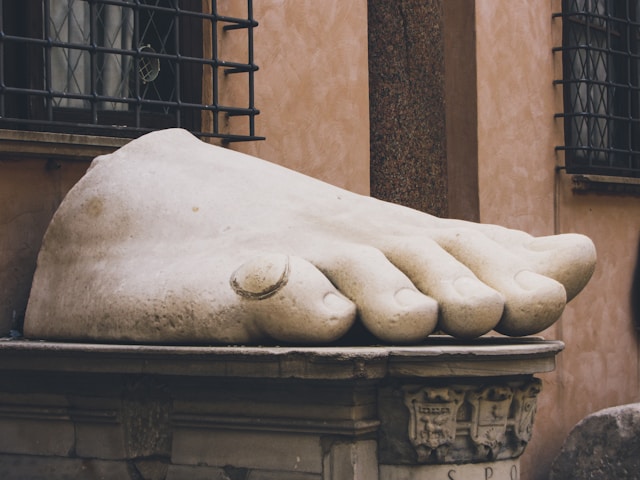
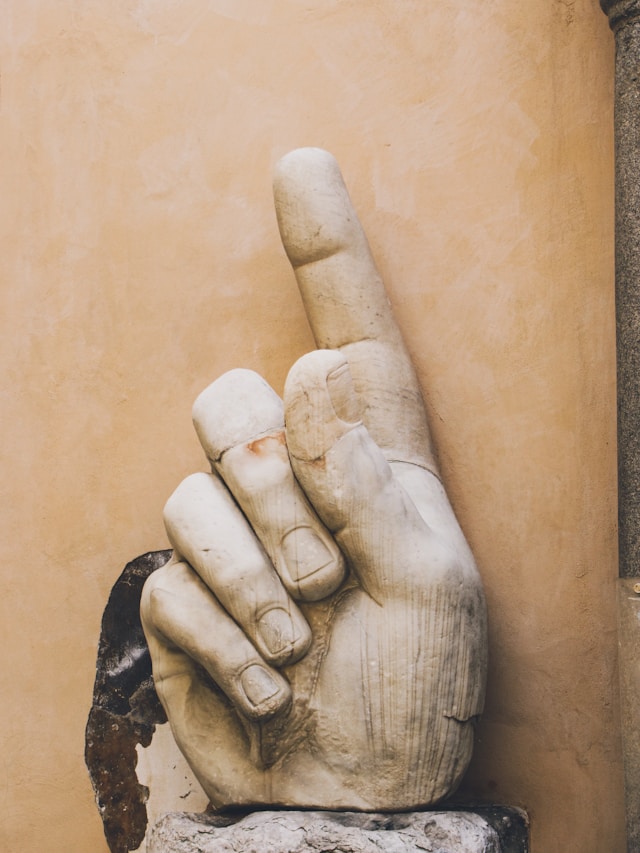
The collection includes the massive fragments of the colossal marble statue of Emperor Constantine.
The Palazzo Nuovo was built specifically to house the collection of ancient sculptures excavated from Rome.
An underground gallery links the two main exhibition buildings, allowing visitors to cross the piazza without going outside.
Many masterpieces of ancient Rome were displayed here before the Louvre or the British Museum were established.